
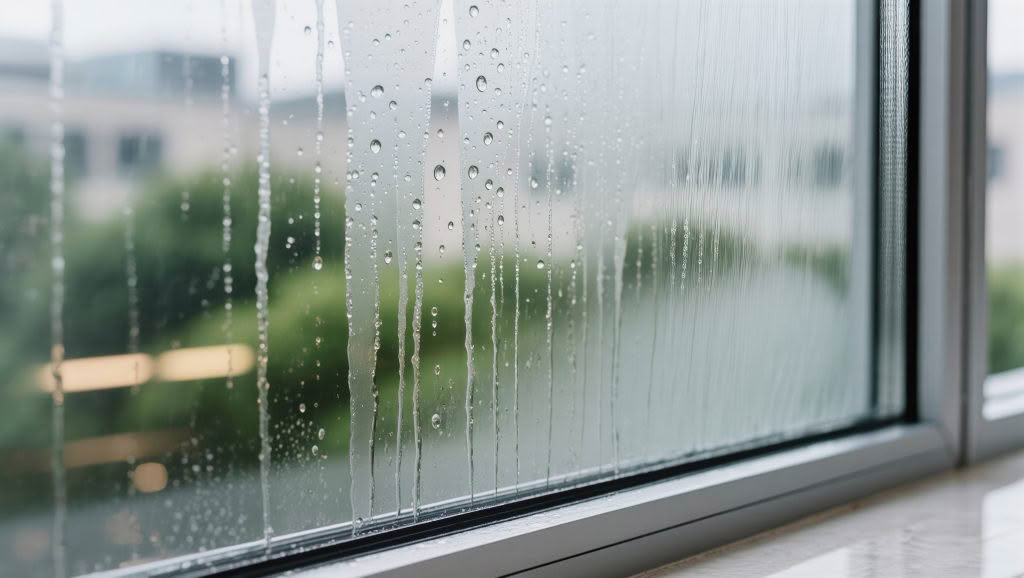
Why many of us use more energy than they need to
New homes in New Zealand can still be surprisingly energy-hungry, even when they meet current building standards.
One major issue is heat loss through the building envelope. Timber framing, gaps in insulation, and poorly detailed junctions around windows, roofs, floors, and walls can create thermal bridges—areas where heat moves out of the house more easily than intended.
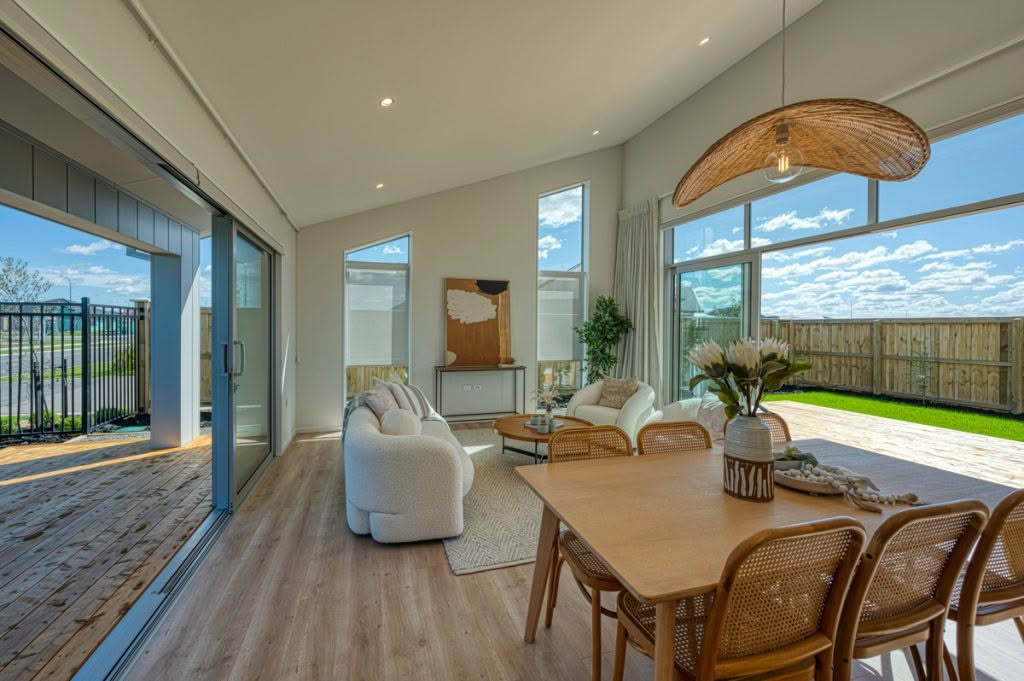
Another factor is unintended air leakage. Small openings around penetrations, service runs, lighting, and construction joints allow outside air to enter and conditioned air to escape. This increases heating demand and can make rooms feel draughty even when insulation levels are high.
Green Homes is the only ISO 50001 compliant home builder when it comes to Energy Management, each home is audited to cover 10 key construction methods and requirements. Green Homes New Zealand is also a member of the NZ Green Building Council.
Modern homes are also becoming more airtight, which is beneficial only when ventilation is properly designed. If fresh-air supply and moisture removal are not carefully planned, occupants may rely on opening windows inconsistently or using extract fans inefficiently, leading to stale air, excess humidity, and reduced heating and cooling efficiency.
Summer overheating is another growing problem. A home that performs well in winter can become too hot if it has excessive glazing, poor orientation, limited shading, or weak cross-ventilation. The result is greater reliance on cooling and higher energy consumption.
There is often a gap between the design and the finished building. A house may comply on paper, but performance can suffer if insulation is compressed or discontinuous, ventilation systems are poorly installed, or critical details are not properly executed and commissioned.
Finally, many projects are designed to meet the minimum code requirement rather than optimise energy performance. Compliance does not automatically mean low operating costs or high comfort. Achieving genuinely efficient housing usually requires additional attention to thermal performance, airtightness, ventilation, solar control, and construction quality.
Bottom line
The biggest sources of energy waste in many new NZ homes are thermal bridging, uncontrolled air leakage, weak ventilation strategies, overheating-prone design, and construction-quality issues that prevent the finished building from performing as intended.
With Green Homes, our ISO 50001 auditing process ensures that energy efficiency is front of mind, so that you have a better, efficient and more comfortable home.